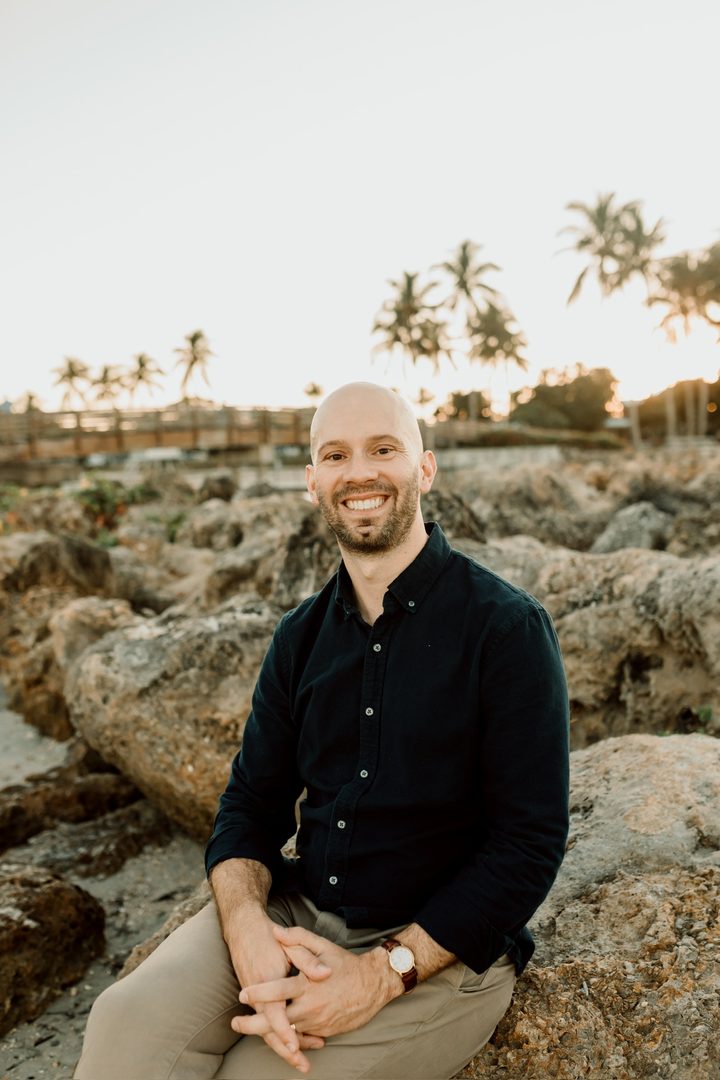
In 2023, I was generating more surgical volume and seeing more clinic patients than most of my colleagues at a major academic medical center. I had been doing this long enough to know what a busy practice looked like, and mine was busy. So when my wRVU total came in below the 10,000-unit threshold that would trigger my bonus compensation, I did not accept the explanation that I simply had not worked hard enough.
I started pulling my own numbers. I looked at my CPT codes, my documented encounters, and my surgical cases. I compared them to what was being coded and credited to my productivity. The gap was significant. I was being credited for approximately 20% fewer wRVUs than what my clinical work represented. The errors were not dramatic, no one was stealing from me. They were the quiet, accumulated result of documentation habits, coding defaults, and a coding system that moves fast and makes conservative assumptions when documentation is ambiguous.
Some of the problem was on the coder side. Some of it, honestly, most of it, was on mine.
What I Found When I Looked Carefully
I started documenting everything myself. For every patient I saw, every procedure I performed, every note I signed, I tracked what I believed the correct code was and compared it to what was submitted. I kept a running log for months. The pattern was consistent: I was regularly undercoding my E/M visits, missing add-on codes I had legitimately earned, and letting procedure documentation slide in ways that cost me wRVUs I had no reason to leave behind.
The frustrating thing was that I was not doing anything wrong clinically. I was seeing the patients, making the decisions, performing the procedures. The work was real. The credit was not following the work because the documentation was not telling the full story of what I was doing.
Once I understood the rules, understood them, not just as abstractions but as they applied to my specific patients and note patterns, my numbers came up. Not because I started working harder or seeing more patients. Because I started documenting what I was already doing in a way that the coding system could accurately recognize.
Why I Built This Site
As my own numbers improved, I started talking to colleagues. Almost every one of them had the same problem I had. And almost none of them knew it. They assumed their coders had it handled. They assumed that if there were a problem, someone would have told them. They were wrong on both counts, not because anyone was being dishonest, but because nobody in the system had a specific incentive to close that gap the way I did.
I built tools to help myself first, a documentation template in your electronic record that prompted the right documentation at the right moment, a coding assistant that could score a note against the MDM criteria and tell me what level it supported, a calculator for fracture coding that takes all the guesswork out of a code set that most orthopaedic surgeons find confusing. Then I started sharing them with colleagues. The response was consistent: I had no idea this was how it worked.
This site exists because physicians, nurse practitioners, physician assistants, and every provider doing clinical work deserve the same quality of practical, unbiased financial education around coding that sites like the White Coat Investor have built around investing. The money you earn starts with the work you do. But it gets realized only if your documentation captures what you did. That gap, between work performed and work credited, is the problem this site is designed to close.
And there is one more reason, which might be the one I care about most. Almost everything that gets asked of providers these days is more: more patients, more documentation, more metrics, more committees. This is the rare project that asks nothing more of you. I am not asking anyone to work harder, see more patients, or stay later. I am asking you to get the credit that is already due to you for the hard work you are already doing. I appreciate that work. It is hard, it matters, and the people doing it deserve full recognition for it, both professionally and financially.
How This Site Is Governed
Editorial responsibility: Michael MacKechnie, MD, CM, FRCSC, FABOS, FAAOS, physician editor, writes and reviews every rule on this site. A certified professional coder reviewer seat is open; qualified CPC or CCS reviewers interested in auditing the rule registry are invited through the contact page. No advertiser, sponsor, or vendor has any editorial role, because there are none.
How corrections work: the load bearing rules behind the tools are published in the rule registry on the validation page, each with its source, effective year, and the automated tests that guard it, alongside worked validation examples; the registry grows as rules are added or corrected. Anything you believe is wrong can be reported from the contact page; confirmed corrections are made across every page and tool at once, logged by name in the public What changed record, and turned into a permanent test so the error cannot silently return. Two outside reviews have already been answered this way, point by point.
What This Site Is
Every guide, calculator, and public validation example is free. The AI tools include a free allowance so you can test them before paying anything; full AI access is available through a low cost individual plan, built for normal daily clinical use, with group access by arrangement.
The goal is not to get anyone to code higher than their documentation supports. That is not appropriate, and it is not what this is about. The goal is accurate coding, making sure that the work you are already doing, and the clinical complexity you are already managing, is being recognized and credited correctly. Undercoding is not safer than overcoding. It is just quieter. And it costs real physicians real money every single day.
About the Author
I am an orthopaedic sports medicine surgeon serving as Director of Orthopaedic Informatics and Director of Documentation Excellence for Surgical Subspecialties at a major health system. I hold an appointment as Assistant Professor of Orthopaedic Surgery at the Edward Via College of Osteopathic Medicine (VCOM), and I was previously Assistant Professor of Orthopaedic Surgery at the Geisel School of Medicine at Dartmouth. My surgical training included a fellowship at the University of California, Los Angeles (UCLA), and work with professional and collegiate sports organizations including the Los Angeles Lakers and UCLA football.
I received my MD CM from McGill University and completed my orthopaedic residency at the University of Toronto. I hold board certifications through both the Royal College of Physicians and Surgeons of Canada (FRCSC) and the American Board of Orthopaedic Surgery (FABOS), and I am a fellow of the American Academy of Orthopaedic Surgeons (FAAOS). I have performed humanitarian surgical work in Botswana, Malawi, Ecuador, and Jordan.
My academic interests include surgical education, documentation optimization, and health systems innovation.
Michael MacKechnie MD, CM, FRCSC, FABOS, FAAOS
Get in touch
Questions, feedback, corrections, or a suggestion for a guide that should exist are all welcome. Use the contact page to send a note. Messages come straight to me, and reader feedback shapes what gets written next.